Two limits and the space between them
Rhizopus oligosporus, the mould responsible for tempeh, grows vigorously between roughly 25 °C and 35 °C (77–95 °F). Below that range the spores germinate so slowly that contaminating bacteria — lactic acid bacteria, bacilli — outrun the culture and take the batch. Above it, the enzyme systems that drive hyphal growth begin to denature, and growth falters or stops. That corridor of about ten degrees is the incubation window.
Within that corridor, temperature is not simply a dial to set and forget. The mould produces heat as it works. Germination draws from the beans' starches, and the metabolic activity of a densely packed, actively growing mycelium releases significant warmth into the mass. A block of inoculated beans that enters the incubator at 30 °C can, at peak growth — typically somewhere between eighteen and thirty hours in — register several degrees higher at its centre than at its surface. If the incubation chamber is set at 32 °C and the interior of the cake climbs to 38 °C or beyond, growth slows and the texture suffers: the mycelium thins, binding weakens, and the finished cake may crumble rather than slice.
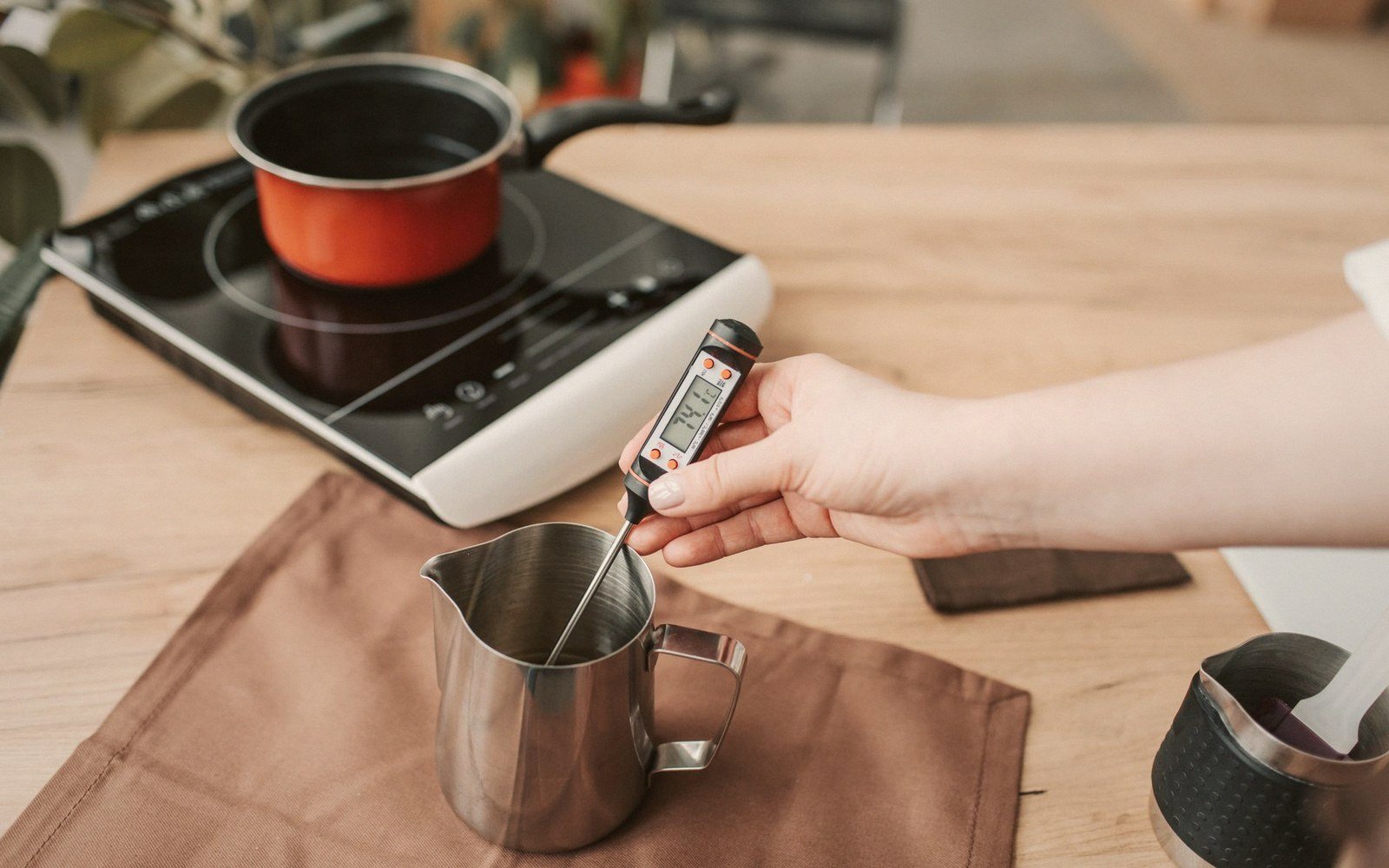
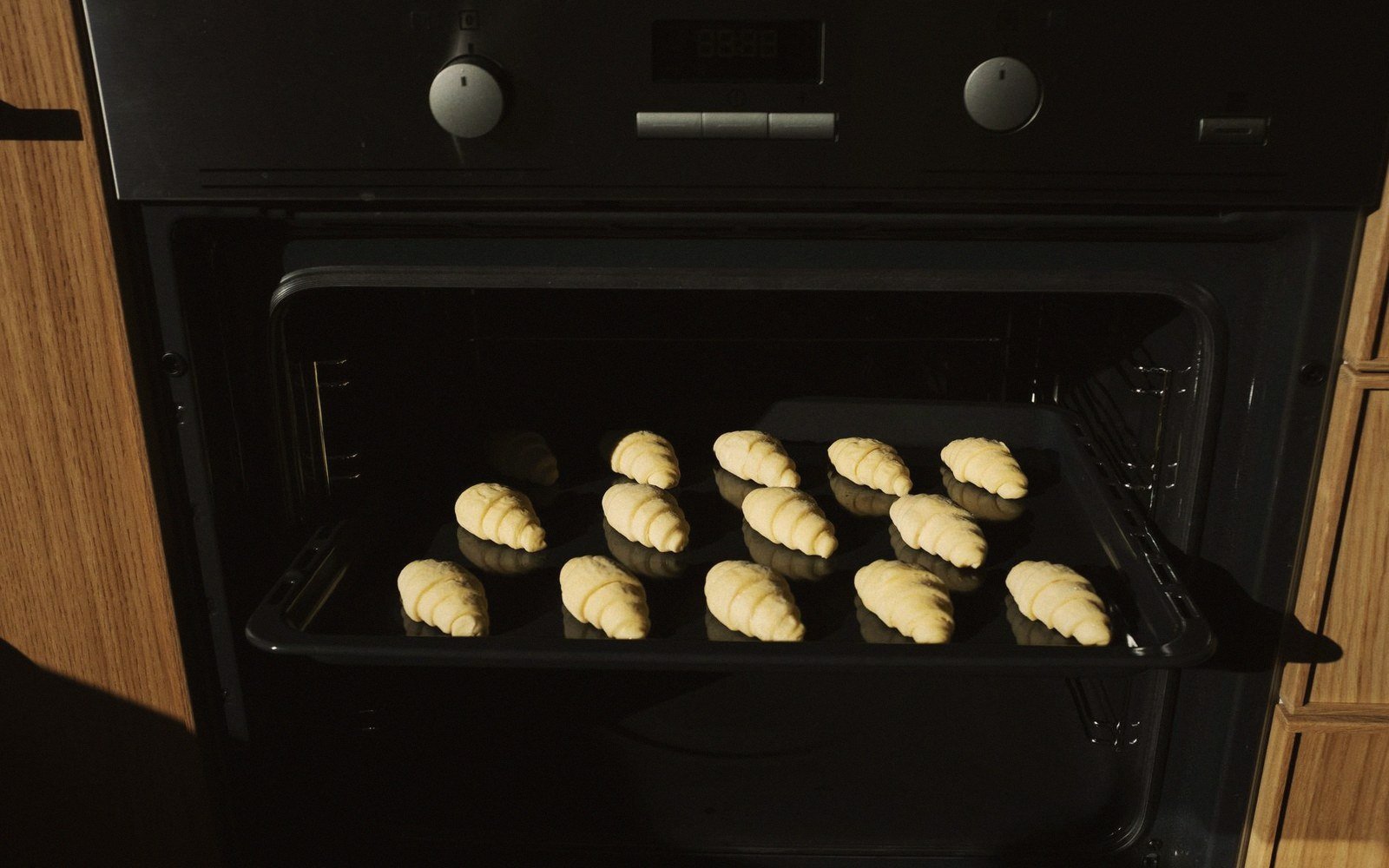
This is the variable most beginners underestimate. A domestic oven set to its lowest temperature and propped open, a dehydrator with its tray spacing opened up, a warm spot near a water heater — all can work, but none of them compensate automatically for the mould's self-heating. The practical answer is ventilation: leaving space around the packages so that radiant heat can dissipate, and checking the internal temperature of one package with a probe thermometer at the twelve-hour mark rather than relying on ambient readings alone.
The mould also responds to time within the window. At 30 °C a batch typically needs around forty-eight hours to reach the dense white mat that signals a properly bound cake — earlier is under-developed, later risks sporulation turning the surface grey. At 34 °C the timeline compresses toward thirty to thirty-six hours, which sounds convenient but leaves less margin: the window between ready and overrun narrows with heat. Cooler and slower gives more control; warmer and faster demands more attention.

Set the incubator at 30–31 °C, give the packages room to breathe, and verify the interior temperature rather than the air around it. The mould will find its own pace from there.